

Some betrayals don’t start as betrayal. They start as kindness.
For Ayo and Malik, it started with a WhatsApp voice note.
“Bro, I’ve gotten admission,” Malik said, breathless. “But I need to show proof of funds. The deadline is tight. I’ve tried everyone else. Can you help me with part of it? I’ll pay you back as soon as I land and start working.”
These were not strangers. They were brothers in everything but DNA—roommates during NYSC, business partners for a small side hustle. They had shared heartbreak stories, Jollof, even a near-arrest at a protest.
Ayo looked at his own life.
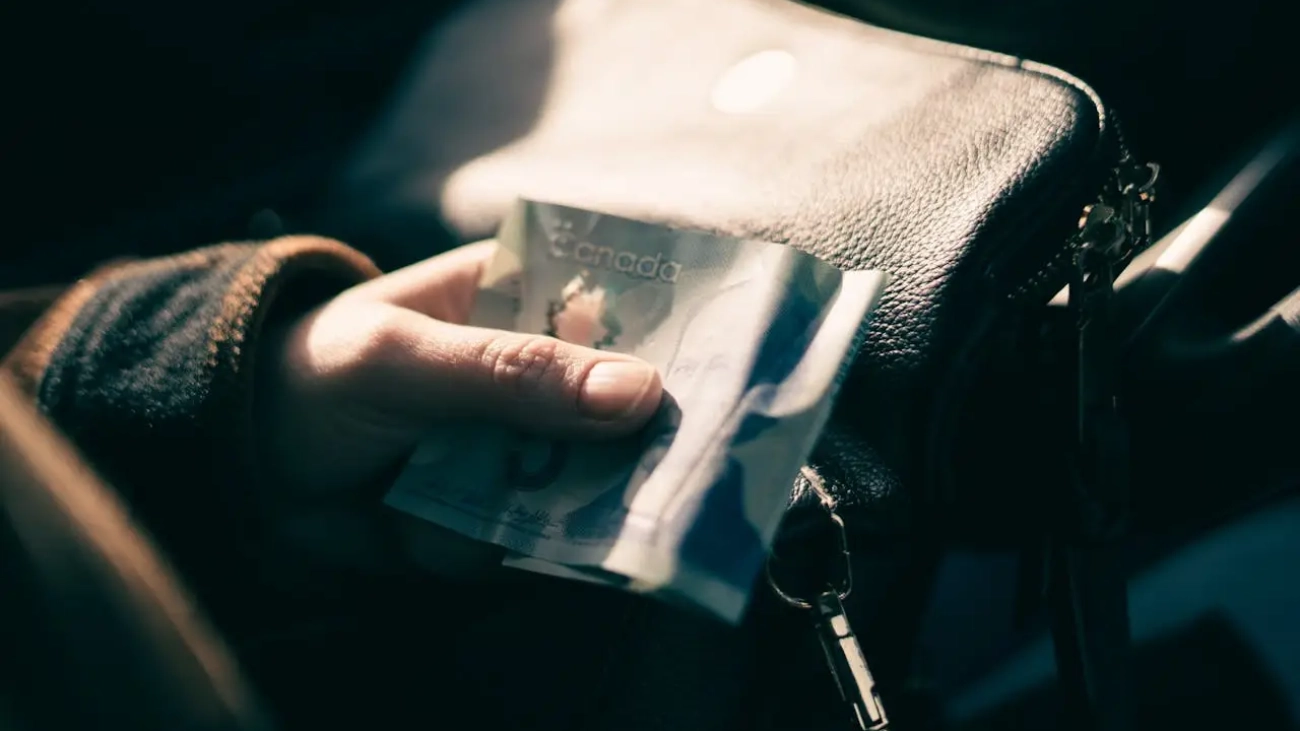
He was already in Canada, working two jobs, still paying off his own relocation debts. But he remembered what it felt like to stare at an email that said “Congratulations” and then realise your bank account did not agree.
So he did the mathematics, squeezed his budget, and sent the money.
“Don’t worry,” Malik said. “I’ll pay you back within six months. God will not shame us.”
God did not shame them. Life just humbled them.
Malik arrived in Canada into a job market that had decided to play hard-to-get. His first semester was a blur of assignments and job rejections. His work hours were capped; his expenses were not. Rent, transit, winter clothes, textbooks—everything piled up.
Six months came and went.
Ayo started dropping gentle reminders.
“Guy, how far with that thing?” he’d ask, voice light.
“Ah, I never forget o. Just give me small time,” Malik would reply.
The “small time” stretched.
Texts got shorter. Voice notes stopped. Video calls became strict business:
“How are classes?”
“Fine, fine.”
No mention of the debt, but the silence was loud.
“I realised this thing had built a wall between us,” Ayo says. “I wasn’t even angry at first. I was worried. But the more he avoided the topic, the more it felt like deceit.”
One day, in a group chat, someone joked about how “Nigerians in Canada suddenly don’t know people once they arrive.”
Ayo typed, erased, typed again. Finally he posted:
“Sometimes it’s not ‘Canada changed them.’ It’s that you lent them money for Canada and they don’t know how to face you.”
Malik read it and went offline for three days.
When he came back, he sent a long message:
“I feel ashamed. Every time you remind me, my chest tightens. I am not enjoying this silence either. I just don’t know how to explain that I’m drowning here.”
Shame and struggle—that deadly combination—had eaten their friendship.
They met in person months later at a mutual friend’s house. The air was tense. Finally, Ayo spoke.
“I didn’t help you because I’m a bank,” he said. “I helped because you’re my guy. But I deserved honesty. Even if it’s ‘I can only pay you $50 a month for the next two years.’”
Malik nodded, tears threatening to fall.
“I thought being honest about how bad things were would make you regret helping me,” he said. “So I pretended I was fine and made everything worse.”
They drew up a new plan on paper:
-
A tiny monthly repayment
-
Regular check-ins that weren’t about money
-
Permission to say “I can’t send anything this month” without disappearing
Their friendship is not what it used to be; some cracks never fully disappear. But they are slowly learning that debt doesn’t have to mean divorce—if both people are brave enough to bring shame into the light.
If you’re thinking of borrowing money from a friend to fund your immigration, or lending it, remember this:
You’re not just moving currencies. You’re moving trust.
Handle it gently.
Add a Comment